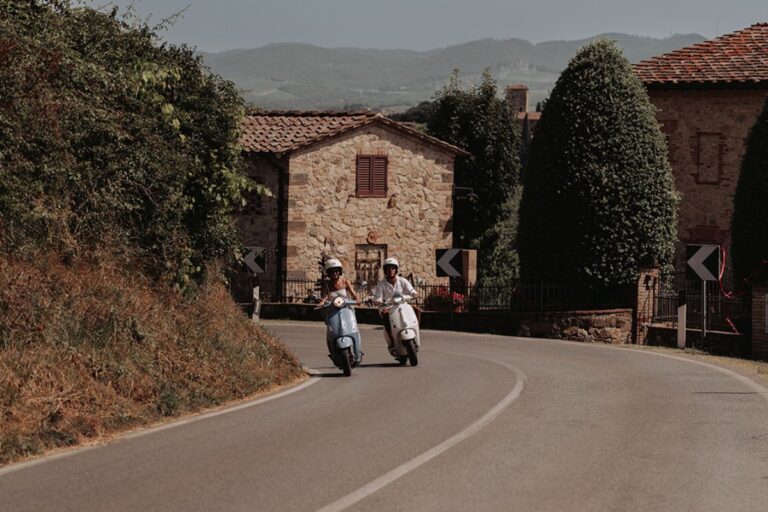
Many people know Tuscany through cities like Florence or Siena. But Chianti, the hilly area in between, is one of Italy’s most historic and iconic cultural and wine regions. If you want to understand where the classic Tuscany postcard comes from, cypress-lined roads, olive groves, vineyards, and medieval villages, look here.
In this article, we provide an overview of the region, highlight its must-see towns, explain why Chianti is so special, and share ideas to make the most of your visit.
Our practical tips for visiting Chianti
Best time to visit
May – October are ideal months. Spring and early autumn offer mild weather and fewer crowds, while summer (July–August) brings lively festivals, long daylight hours, and a bustling atmosphere, perfect if you enjoy a vibrant experience.
Winery visits
Many small wineries close around midday or require advance bookings. Tip: Check websites or call ahead to reserve tastings, especially in popular regions. Some wineries also offer tours only by appointment.
Driving, traffic & parking
- Historic town centers often have ZTL zones (restricted traffic), so plan to park in designated lots on the outskirts.
- Look for “Parcheggio” signs, these are public parking areas near town entrances.
- If possible, try to arrive early in the day to secure parking and avoid traffic during peak tourist hours.
Where is Chianti located?
Chianti stretches between Florence and Siena and includes several municipalities. It is not a single city, but a cohesive region with its own identity.
Key towns and villages
Some of the most notable towns in Chianti are:
- Greve in Chianti: the largest town and a central starting point
- Radda in Chianti: medieval center with a peaceful atmosphere
- Castellina in Chianti: Etruscan archaeological sites, medieval tunnel “Via delle Volte”
- Gaiole in Chianti: home to historic castles
- Lucolena: tiny village tucked into the Chianti hills
Landscape and typical features
Chianti is known for:
- Gentle hills and winding roads
- Vineyards and olive groves
Small, scattered villages - Less mass tourism compared to major cities
Chianti Classico: The wine that defines the region
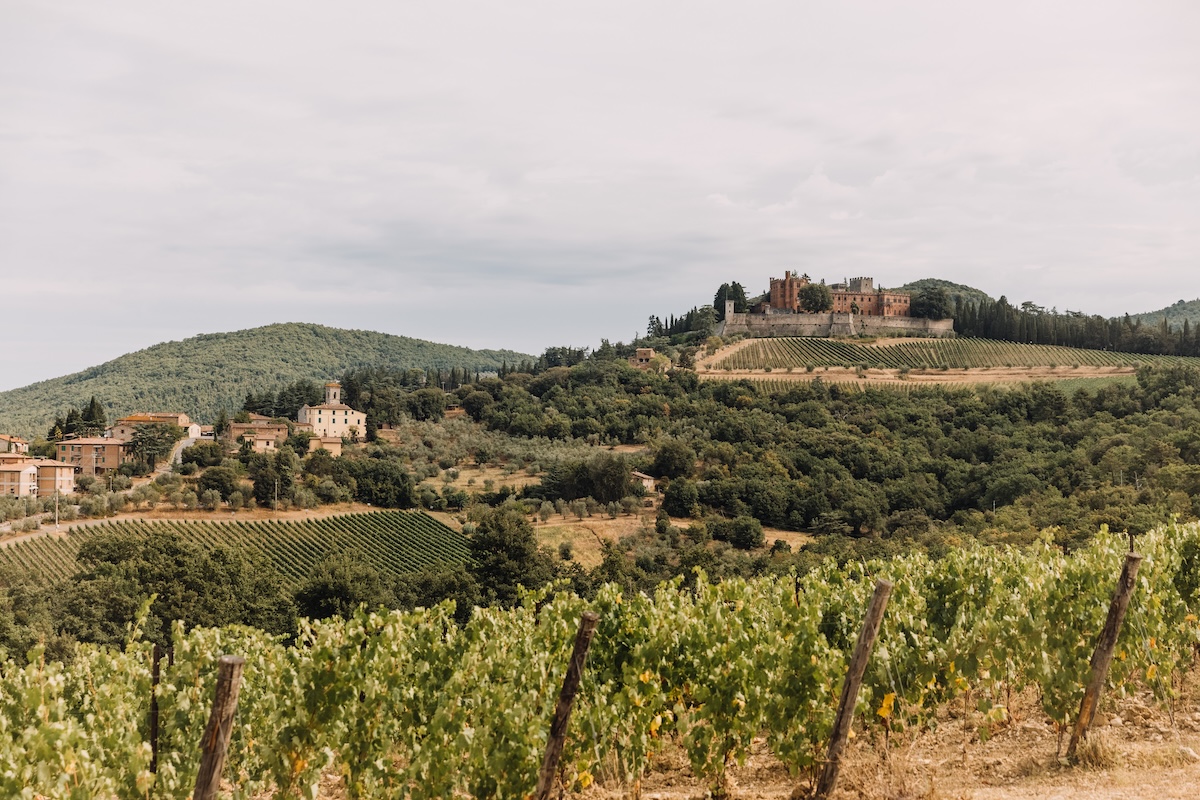
Chianti Classico is more than just a wine — it’s the heart and soul of Chianti. Produced in the historic core of the region, officially defined in 1716, it’s one of the oldest protected wine regions in the world.
Made from at least 80% Sangiovese grapes, Chianti Classico is known for its vibrant red berry flavors, subtle spice, bright acidity, and dry finish. Many bottles feature the iconic “Gallo Nero” (black rooster), a seal of quality and a symbol of centuries-old tradition.
Visiting Chianti means tasting Chianti Classico where it’s made. Rolling vineyards, rustic wineries, and charming tasting rooms offer an immersive experience: sip a glass as the sun sets over the hills, explore cellars where generations have perfected their craft, and discover how the wine reflects the rhythm, history, and character of the Chianti countryside. In the autumn harvest season, the vineyards come alive with activity as grapes are picked and pressed, offering a glimpse into the traditional winemaking process that has shaped the region for centuries.

Must-see places in Chianti
Greve in Chianti
Greve always has a lively buzz. Its central square is lined with arcades, local shops and wine merchants. Don’t miss the famous Macelleria Falorni, one of the oldest butcheries in the world and perfect for tastings or something delicious to take with you.
Castellina
A mix of medieval and ancient history: Etruscan ruins are a fascinating highlight for history enthusiasts.
Radda
Charming, intimate and unmistakably Chianti. Radda is full of small squares, wine bars and steep streets that invite you to wander. Order an espresso on a terrace and watch daily Tuscan life unfold.
Gaiole
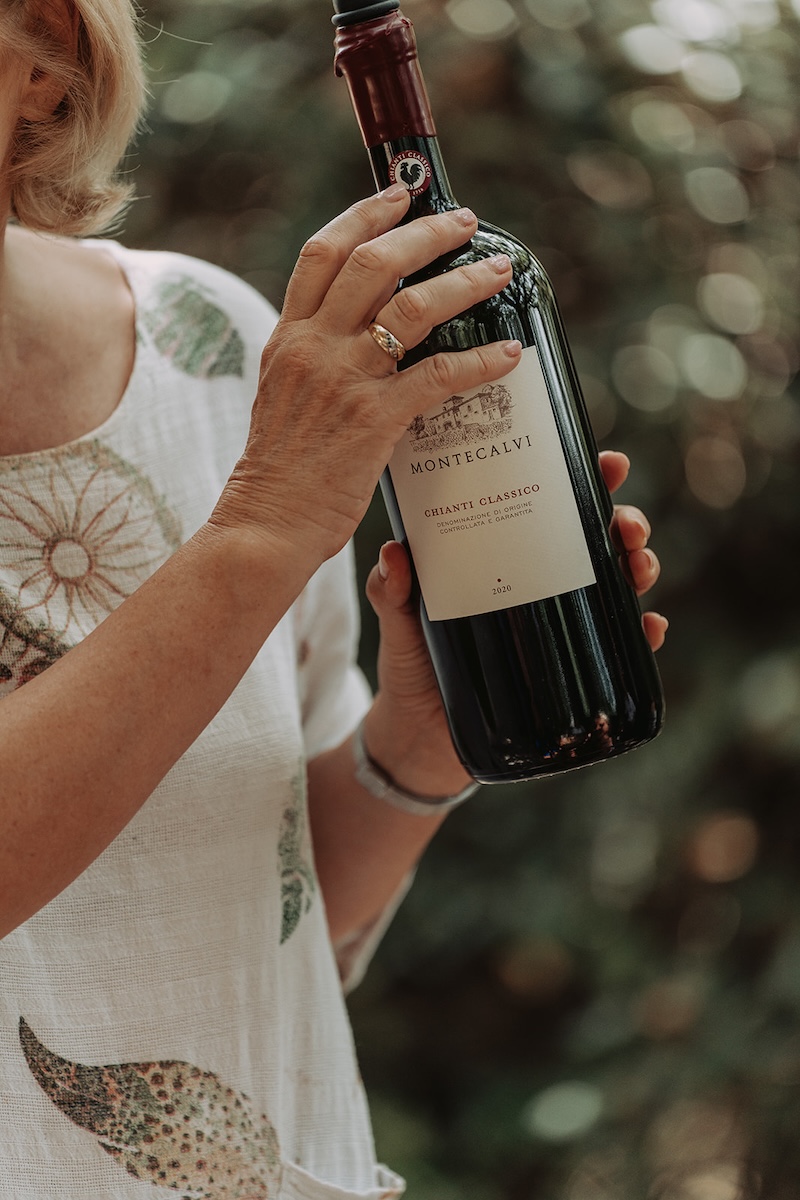
A picturesque village surrounded by rolling vineyards and olive groves, Gaiole is a haven for wine lovers and cyclists alike. Its quiet streets and historic castles, like Castello di Meleto, offer a glimpse into Chianti’s past, while the nearby countryside invites exploration on foot or by Vespa. Stop here to taste local wines or simply soak in the serene, timeless atmosphere.
Lucolena
Lucolena is one of those villages you only find when you drive there yourself, which is exactly what makes it special. Here, you’ll find silence, nature and the feeling of being truly in the heart of Chianti. Perfect for a short break and breathtaking views.
Nearby highlights
Florence & Fiesole
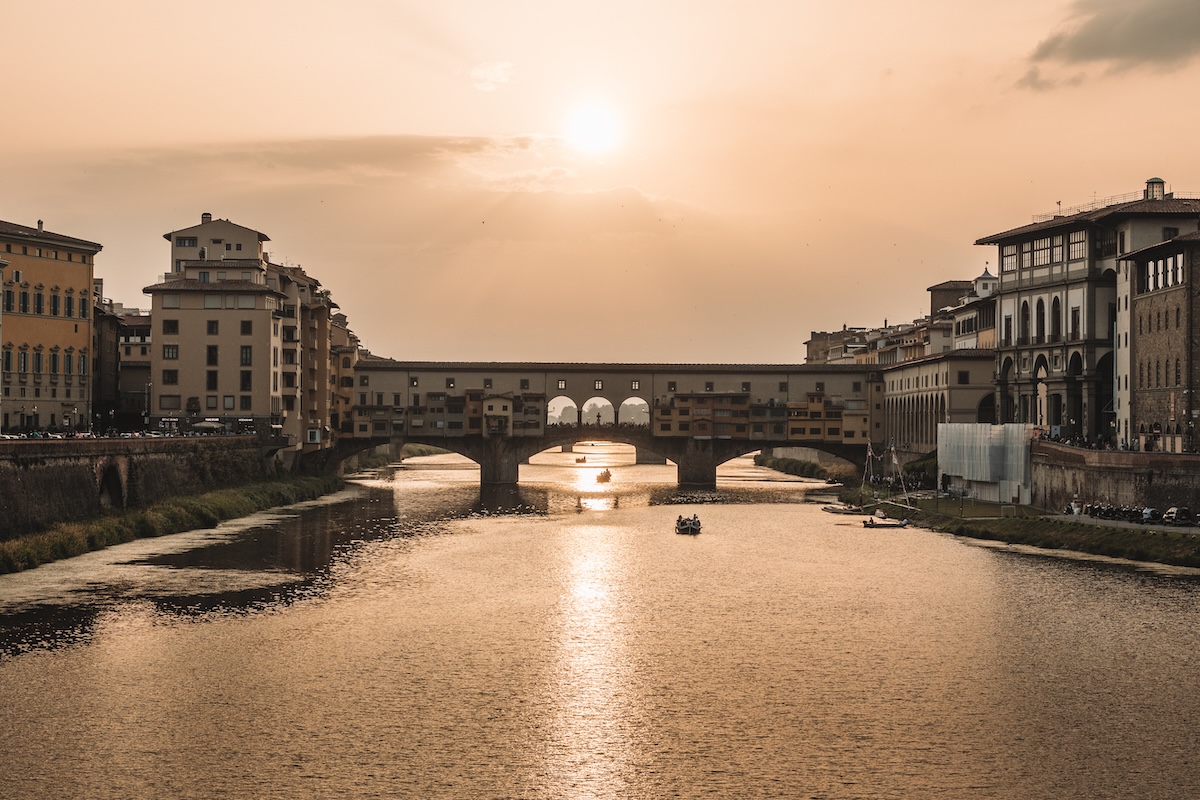
Just a short drive from Chianti, Florence is the artistic heart of Tuscany, full of museums, architecture, and historic squares. The nearby hill town of Fiesole offers a quieter pace, with Etruscan ruins and sweeping views over the city and the surrounding countryside, a perfect complement to the Chianti experience.
San Gimignano
You can spot the skyline of San Gimignano from miles away: towering medieval structures, narrow alleyways, and a historic center that feels like an open-air museum. It’s no surprise this town is known as the “Medieval Manhattan.” Wander through its atmospheric streets and enjoy one of the most iconic places in Tuscany.
More information of Tuscany’s highlights you can read in this article.

Why Chianti is special
Unlike the bustling streets of Florence or the crowded squares of Lucca and San Gimignano, Chianti moves at its own unhurried pace. The region’s small hilltop towns, dotted vineyards, and limited large hotels create a sense of calm, letting visitors savor the essence of Tuscany without the crowds. Winding roads thread through the hills, offering countless panoramic views and hidden corners waiting to be discovered. Between Greve, Castellina, Radda, and Gaiole, marked viewpoints invite pauses for photos or simply to take in the scenery. With well-maintained, low-traffic routes, every journey whether by car, motorcycle, or Vespa becomes a leisurely adventure, revealing the timeless beauty and charm of the Chianti countryside.
Exploring Chianti by Vespa
Chianti’s gently winding roads and short distances make it an ideal region to explore on a Vespa. Traveling at a relaxed pace, you move through vineyards, olive groves, and medieval villages, with sweeping views appearing around every curve. Experiences such as The Vespa Trip remove the usual logistics: the Vespa, accommodation, and breakfast are all arranged, and carefully designed routes lead you beyond the main roads to hidden gems and lesser-known viewpoints. Whether riding independently or with guidance, it’s an immersive way to experience the rhythm and beauty of the Tuscan countryside.
Not sure which of our Tuscany Vespa trips is right for you? Find out the main differences